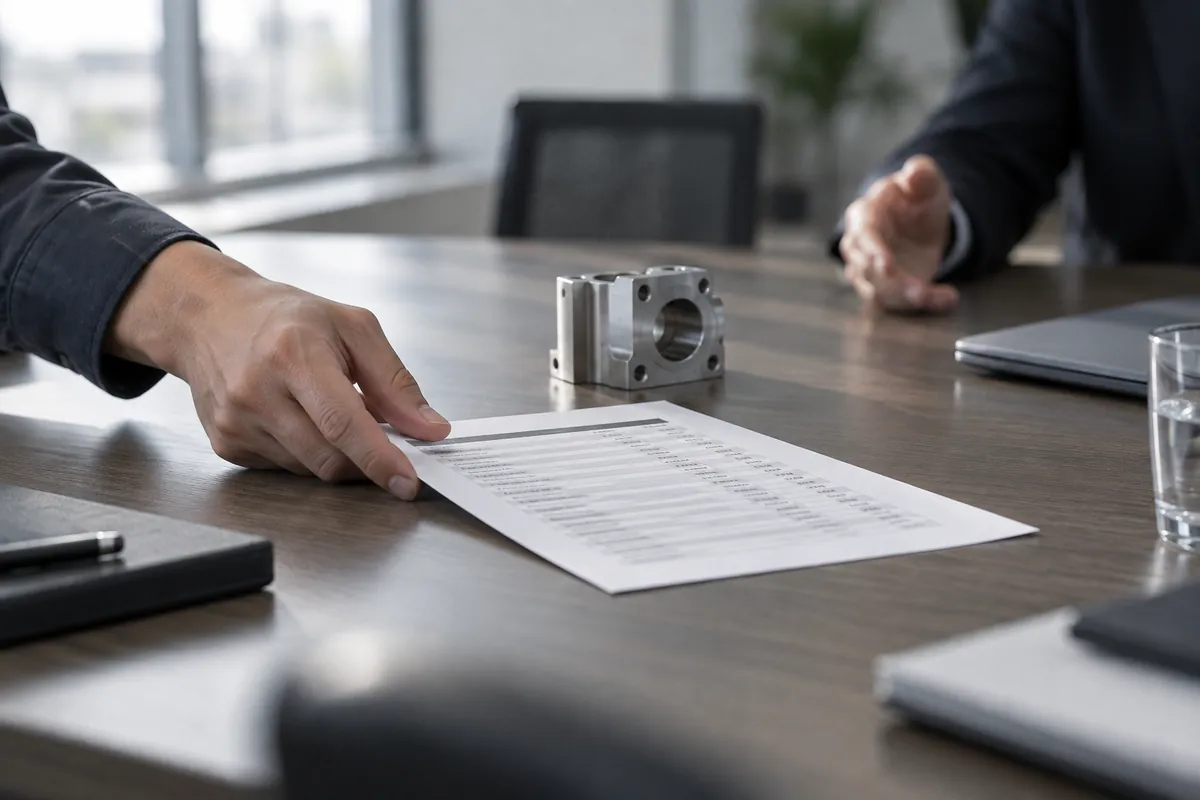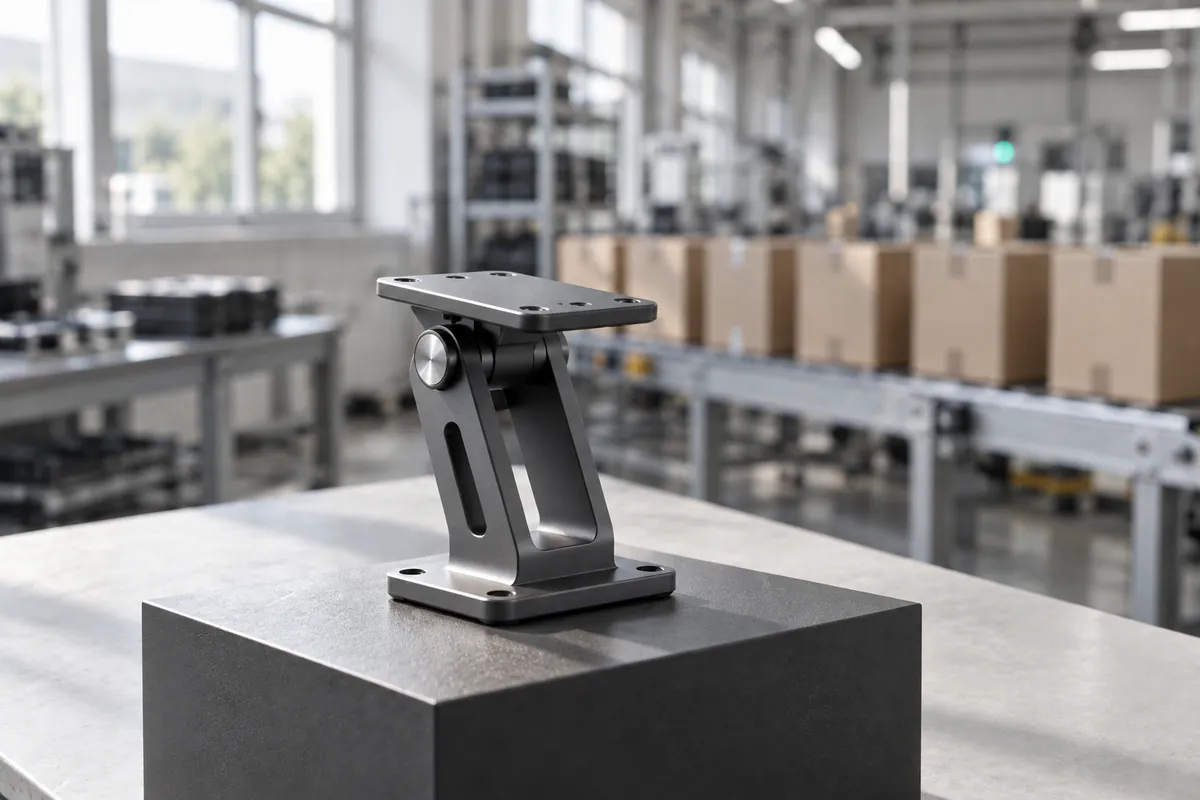
The approved sample sits on a shelf, exactly right. Six weeks later, the production run arrives, and it's close, but not quite the same piece that got signed off. This gap is one of the most common sources of frustration between buyers and factories, and it's more structural than it looks.
In short: a sample is typically made by a factory's most skilled staff, in small quantities, with individual attention that a full production run simply can't replicate at scale. The gap between sample and production is usually the natural difference between a handmade proof of concept and a repeatable industrial process, and it needs to be actively managed.
Why the sample gets special treatment
A pre-production sample is often made by a factory's best technicians, outside the normal production line, with time to correct small issues as they go. It's meant to prove the product can be made correctly, not to prove that every one of the next several thousand units will be made the same way under normal production conditions, at normal production speed, by the normal production team.
Where the gap actually opens up
Several things change between sample and full production that don't show up on a spec sheet: the production team is larger and includes staff who didn't make the sample, the pace is faster because a production line has a schedule to hit, and material batches for a large order sometimes vary slightly from the smaller batch used for the sample. None of this is necessarily a problem if it's managed, but none of it is automatic either.
The type of sample that matters most
Not all samples serve the same purpose, and conflating them is a common mistake. A design sample confirms the concept and general look. A pre-production sample, made under conditions closer to actual production, confirms the manufacturing process works as intended. A shipment sample, pulled from the actual production run before it ships, confirms what's really going out the door. Approving only the first and assuming it covers the other two is where most of the gap between expectation and delivery originates.
Closing the gap in practice
Keeping the approved sample as a permanent physical reference (a photo is not enough) and checking a new production run against that reference rather than against memory or against the last shipment is the single most effective habit here. Pulling a shipment sample before the goods are packed, and comparing it directly against the original, catches drift before it becomes a container full of product that's close but not right.
Key takeaways
- A sample is typically made under conditions, staff, pace, attention, that a full production run can't fully replicate.
- The gap between sample and production is usually structural, not intentional, but it still needs to be actively managed.
- Distinguish between a design sample, a pre-production sample and a shipment sample; each confirms something different.
- Keep the original approved sample as a physical reference and check new production against it directly, not from memory.
Building sampling and inspection checkpoints around this gap, rather than treating a single approved sample as the last word, is one of the more consistent ways to keep production quality close to what was originally agreed.