A polished product catalog and a fast reply on chat tell you almost nothing about who is actually going to make your order. Neither does a low quote.
In short: verifying a Chinese supplier means confirming three separate things before any money moves: that the business is legally real, that it actually operates the factory it claims to, and that the factory can make your specific product at your volume. Each one needs a different check, and none of them is optional just because the first two look fine.
We run this verification on every new supplier we bring into a client's supply chain, across industries as different as furniture and fitness equipment. The routine is the same regardless of what is being made.
The business license is only a starting point
Every legitimate company in China has a business license, and most suppliers will send a photo or PDF of it without hesitation. That confirms the entity exists. It does not confirm the entity manufactures anything.
Cross-check the registered company name against the name on the bank account you would be paying, the name on the contract, and the name on the export documents later in the process. A mismatch between any of these is not automatically a scam, but it is a question that needs an answer before a deposit goes out.
Confirm the factory behind the company
A company can be legally registered and still be a trading office with no production floor behind it. That is not dishonest by default, plenty of legitimate trading companies operate this way. But you need to know which one you are dealing with.
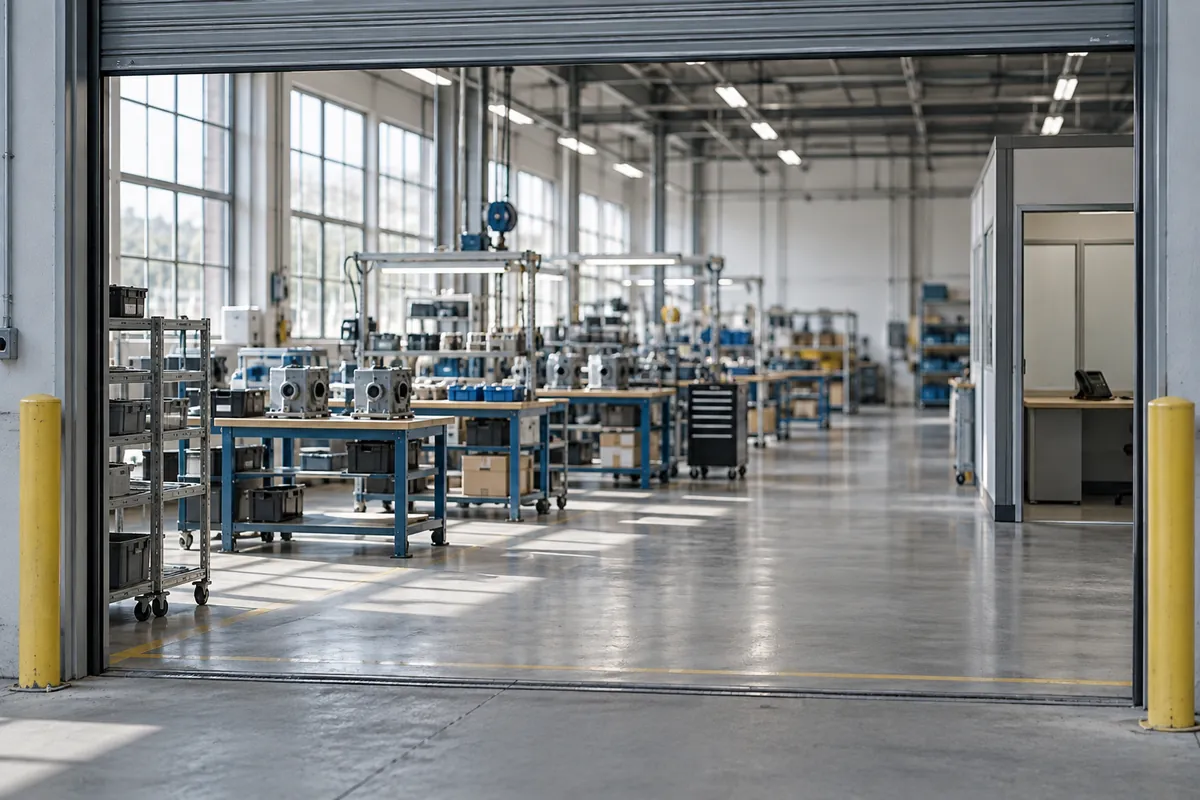
Ask for the factory address separately from the company's registered address, and ask how long that specific facility has been producing your product category. A supplier that has genuinely made your type of product for years will answer this without friction: production lines, tooling, finishing processes, and roughly how many units a month the line handles.
Match capacity to your order
A factory built for large production runs and a workshop built for small custom batches can both be "real," and both can be wrong for your order. Ask what your specific quantity looks like on their production schedule: does it fill a full line for a day, a partial run mixed with other orders, or barely register.
This single question tends to reveal more than any certificate. A supplier who answers vaguely, or who is suspiciously eager to accept any volume at any price, is telling you something about how your order will actually be handled once it is confirmed.
References and samples close the loop
A sample tells you what the factory can produce under the best possible conditions, with full attention on one unit. It does not tell you what a production run of a thousand looks like. Ask for photos or video of a recent production batch for a comparable client, beyond the polished sample photography on their profile.
Where it is available, a short reference conversation with an existing buyer in a similar industry adds a layer no document can. It is one more reason a group with an established network of manufacturers across multiple industries tends to shortcut this stage: the verification work on a cluster of factories has often already been done.
Key takeaways
- A business license confirms the company is legally real. It does not confirm the factory behind it.
- Separate the registered company address from the physical production address, and ask how long that facility has produced your category.
- Ask where your order size sits on their production schedule. Vague answers here are a signal on their own.
- A sample shows best-case output. Ask for evidence of a comparable production run before treating the sample as proof.
- None of these checks replace each other. A supplier that passes three and fails one still needs that one resolved before a deposit moves.
Verifying a new supplier takes time most importers do not have for every project. It is one of the reasons companies bring in a partner with an existing, audited network in China rather than starting the search from zero each time.